
We are often told that the goal of intimacy is total connection - the kind of soul-baring closeness that makes the world disappear. We pursue it, we celebrate it and in the moment, it can feel like a profound homecoming. But then, the morning after arrives. Instead of feeling "glowing" or "empowered," you feel exposed. Fidgety. Sensitive to the light. There is a specific, quiet ache that follows an intense emotional or physical opening.
In the world of psychology, this is known as a vulnerability hangover.
Popularised by researcher Brené Brown, the vulnerability hangover is the visceral gut punch that occurs after we’ve shared something deeply personal, tried something new in bed, or allowed ourselves to be seen without our usual armor. It is the friction that occurs when we transition from a state of deep, porous connection back into the solitary confines of our own skin.
Vulnerability is a muscle, not a state of grace
The mistake we make is assuming that feeling "raw" means something went wrong. We interpret the hangover as a signal that we shared too much, or that our partner is now judging us.
However, the contention here is different: A vulnerability hangover is not a sign of a mistake; it is a sign of growth. It is evidence that you have pushed past your previous "safety ceiling." When we open up, we are essentially re-mapping our boundaries. Feeling raw is the biological tax we pay for meaningful intimacy. If you never feel that slight "uh-oh" the next day, you likely aren't playing at your edge.
Why it feels so physical
A vulnerability hangover isn't just "in your head." When we experience deep intimacy, our nervous system enters a state of high arousal. We are flooded with oxytocin (the connection hormone) and dopamine. When the experience ends, those levels drop, and the "social safety" part of our brain - the ventral vagal system - suddenly feels a bit too quiet.
The brain, sensing a lack of its recent "high," defaults to its oldest survival mechanism: shame. It asks: Was I too much? Did I look silly? Did I give away too much power? This is your ego attempting to "shrink" you back down to a size it can protect.
How to navigate the "rawness"
If you find yourself in the midst of an emotional hangover, the goal isn't to "fix" it, but to soothe the nervous system until it realises it is still safe.
-
Audit your internal dialogue: Recognise the "Shame Gremlins." When the voice in your head starts dissecting the night before, name it. "I am having a vulnerability hangover." Labelling the sensation strips it of its power to define your reality.
The 24 hour rule: Never make a major decision or have a "big talk" while in a vulnerability hangover. Your perception is skewed toward self-protection. Wait until the chemical cocktail has settled before you evaluate the relationship or the experience. -
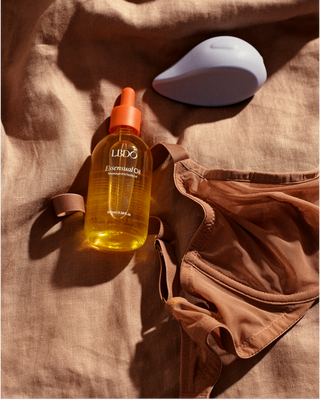
Low stimulus self-care: If intimacy felt like a "loud" sensory experience, the hangover requires "quiet." Soft fabrics, dim lights and solitude or "parallel play" (being in the same room as your partner without interacting) can help you reintegrate.
-
The "aftercare" bridge: In the BDSM community, "aftercare" is a standard practice - checking in, hydrating and cuddling after an intense scene. We should apply this to all deep intimacy. A simple text the next morning: "Still thinking about last night; I feel a bit sensitive today but in a good way", can act as a bridge that keeps the connection alive while acknowledging your state.
By leaning into the rawness instead of running from it, we teach ourselves that we can be "seen" and still survive. We learn that being "too much" is usually just the right amount for the right person. The hangover will pass, but the new depth you’ve reached? That stays.
Intimacy is not just about the peak of the experience; it is about how we carry that experience back into our everyday lives.