
It’s a quiet realisation that often comes with a side of guilt: the fact that pleasure sometimes feels more accessible when there is no one else in the room. We’re taught that partnered sex is the gold standard of intimacy, so when we find ourselves preferring a solo moment with a vibrator over the complexity of another person, it can feel like a failure of connection. In reality, this preference is rarely about a lack of love for a partner. It’s usually a reflection of the sheer mental and sensory bandwidth required to share an intimate space. When you’re alone, the variables are fixed. When someone else is involved, the landscape changes entirely.
The removal of the mental audit
The biggest hurdle to intimacy with someone else is often the background noise of the internal evaluator. When you are alone, you aren't worried about whether you’re taking too long, if you’re making the right sounds, or if your partner is actually enjoying themselves. You can stay entirely within your own physical experience.
With a partner, many of us find that we inadvertently start a mental audit. We’re scanning for their reactions while simultaneously monitoring our own progress. This cognitive load is exhausting. By removing the need to manage someone else’s experience, you allow your prefrontal cortex - the part of the brain responsible for judgment and self-consciousness - to actually quieten down. Solitude offers a shortcut to the kind of presence that partnered intimacy often has to work much harder to achieve.
Sensory control and the runway
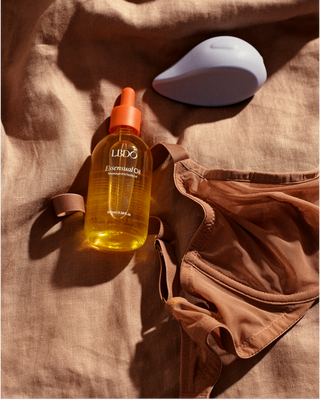
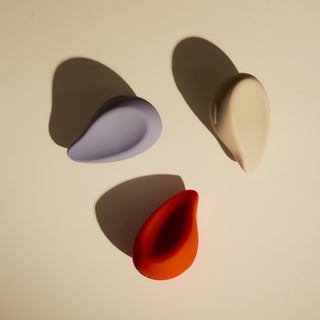
Solo intimacy allows for a level of sensory precision that is almost impossible to replicate with a partner. Whether you’re using a targeted tool like Rush for pinpoint intensity or the Essensual Vibe for a broader hum, you are the one with the control. You know exactly when to increase the pressure and when to back off, without the delay of communication or the potential for a missed signal.
This total control creates a smoother runway to arousal. There is no friction caused by misread cues or the clumsy transitions that are a natural part of human connection. For many, the reliability of solo play provides a sense of safety that allows the nervous system to let go in a way that feels too vulnerable or too high-stakes when another person is watching.
The weight of obligation
For those in long-term relationships, partnered sex can sometimes start to feel like an item on a to-do list. There is a specific kind of pressure that comes with knowing a partner wants you; it transforms pleasure into a performance or a gift you’re giving someone else. Solo play carries no such weight. There is no endgame, no one to disappoint and no correct way to finish. Many of us find that reclaiming this space - where touch is just about your own sensory reality - is actually what allows us to eventually return to a partner with less resentment and more genuine curiosity.
Reintegrating the self
If intimacy feels easier alone right now, it might just be a sign that your system is overstimulated elsewhere. In a world that constantly demands our attention, solo pleasure is one of the few places where we don't have to perform, translate or accommodate. The goal isn't necessarily to fix this by forcing more partnered sex. It’s about acknowledging that solo intimacy is a valid, intelligent way to regulate your own nervous system. By leaning into what actually feels good - without the shame of the should - you create a more honest relationship with your own desire. Often, once the pressure to perform is lifted, the wall between me and us starts to feel a little less daunting.