
The idea of multiple orgasms often gets framed as a high-level skill or some kind of physical marathon. As we know, turning pleasure into a goal is usually the quickest way to kill the mood. When we make a second peak the objective, we’re just giving ourselves another metric to fail at.
In reality, experiencing more than one peak isn't about being an athlete. It’s about understanding the nervous system’s reset time and finding ways to stay with the physical sensation once the first wave has passed. It’s less about trying harder and more about staying in the flow of what your body is actually feeling.
Navigating the reset
For most of us, there is a physiological gap after an orgasm where the body naturally wants to wind down. This is the refractory period - the time it takes for the nervous system to recalibrate and for the pelvic tissues to become responsive again. During this phase, the brain releases a surge of prolactin, which signals a sense of satisfaction and can often lead to a sudden drop in desire.
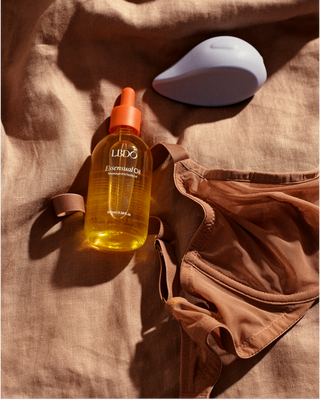
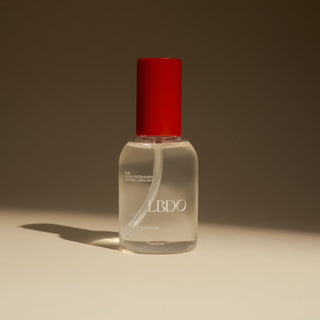
The key to finding a second wave isn't to fight that reset, but to soften it. This is where a high-quality lubricant like Flow Water-Based is useful. After an initial peak, the body’s natural moisture can decrease, and sensitivity can shift from pleasurable to slightly overwhelming. Using a lubricant allows for continued physical contact without friction becoming a distraction, keeping the nerve endings primed for whatever comes next.
Maintaining the arousal
One of the reasons many of us struggle to find a second peak is that we tend to stop stimulation as soon as the first one finishes. To move toward another, the aim is to keep the blood flow to the pelvic region from completely dissipating.
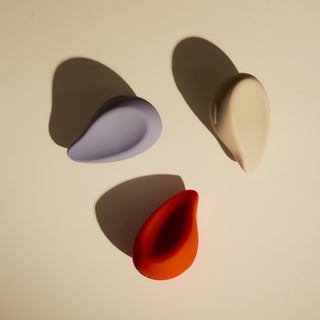
This is where a tool with nuanced settings, like the Essensual Vibe, comes in. After a peak, the intense vibration that got you there might feel like too much. By dropping to a lower, pulsing setting or a gentle hum, you can keep the arousal simmering without overstimulating the area. It’s about maintaining a low-level sensation that allows the nervous system to find a new rhythm rather than shutting down entirely.
The sensory shift
Many of us find that a second orgasm doesn't feel like a carbon copy of the first. If the first was a sharp, localised peak, the second might be more of a slow, radiating warmth. This is because your internal chemistry has shifted - you’re already sitting in the afterglow of the first release.
To encourage this second wave, it can help to change the focus of the touch. If you’ve been using a targeted device like Rush, try shifting the focus to broader areas or incorporating different textures. Changing the input prevents the nerves from becoming desensitised and allows the brain to map a new set of pleasure signals. It’s a way of gently bypassing the satisfied signal the first peak sent out.
Removing the endgame
The most important part of exploring multiples is acknowledging that it’s completely fine if it doesn't happen. The moment you start working for it, you’ve invited that internal evaluator back into the room to monitor your progress.
The most profound experiences often happen when the focus remains on the sensation of the climb rather than the peak itself. Whether you’re using a vibrator or exploring skin-to-skin contact, the goal is the pleasure in the moment, not the count. If things start to feel too clinical or pressured, take a moment to slow down and just focus on the physical weight of your body. By removing the pressure of the destination, you’re giving your body the space it needs to actually get there.